RADIA
Research Initiative
Research on AI Diffusion and Innovation in Africa
A central repository for tracking enterprise AI innovation, private sector adoption trends, and the economic impact on African firms.
Stay Updated →Private Sector Innovation
Discover how African enterprises and startups are leveraging AI to solve industry challenges and create market opportunities.
Crop Disease Detection
AgricultureA startup in Kenya is using computer vision to help farmers identify and treat crop diseases early, boosting yields by up to 30%.
Learn MoreAI-Powered Diagnostics
HealthcareIn Nigeria, AI models are analyzing medical images to provide faster, more accurate diagnostics in underserved communities.
Learn MoreFinancial Inclusion Models
FinanceSouth African developers created an AI model that uses alternative data to provide credit scoring for unbanked populations.
Learn MoreAI Adoption & Firm Dynamics
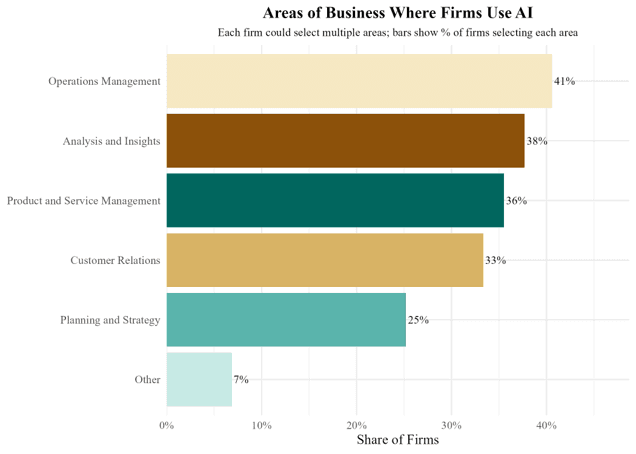
Firm-level data shows that AI adoption is becoming widespread across enterprises, though the depth and timing of adoption vary significantly across firms.
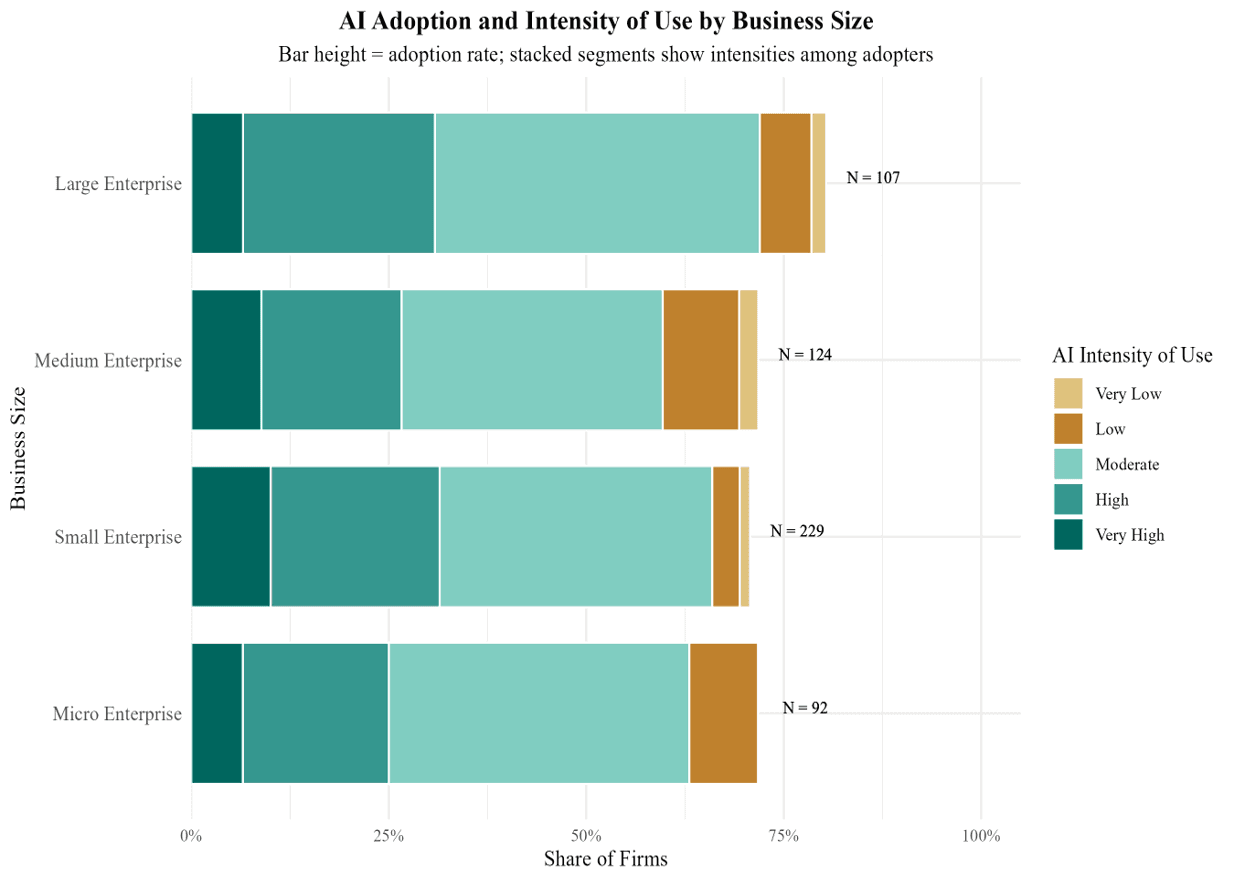
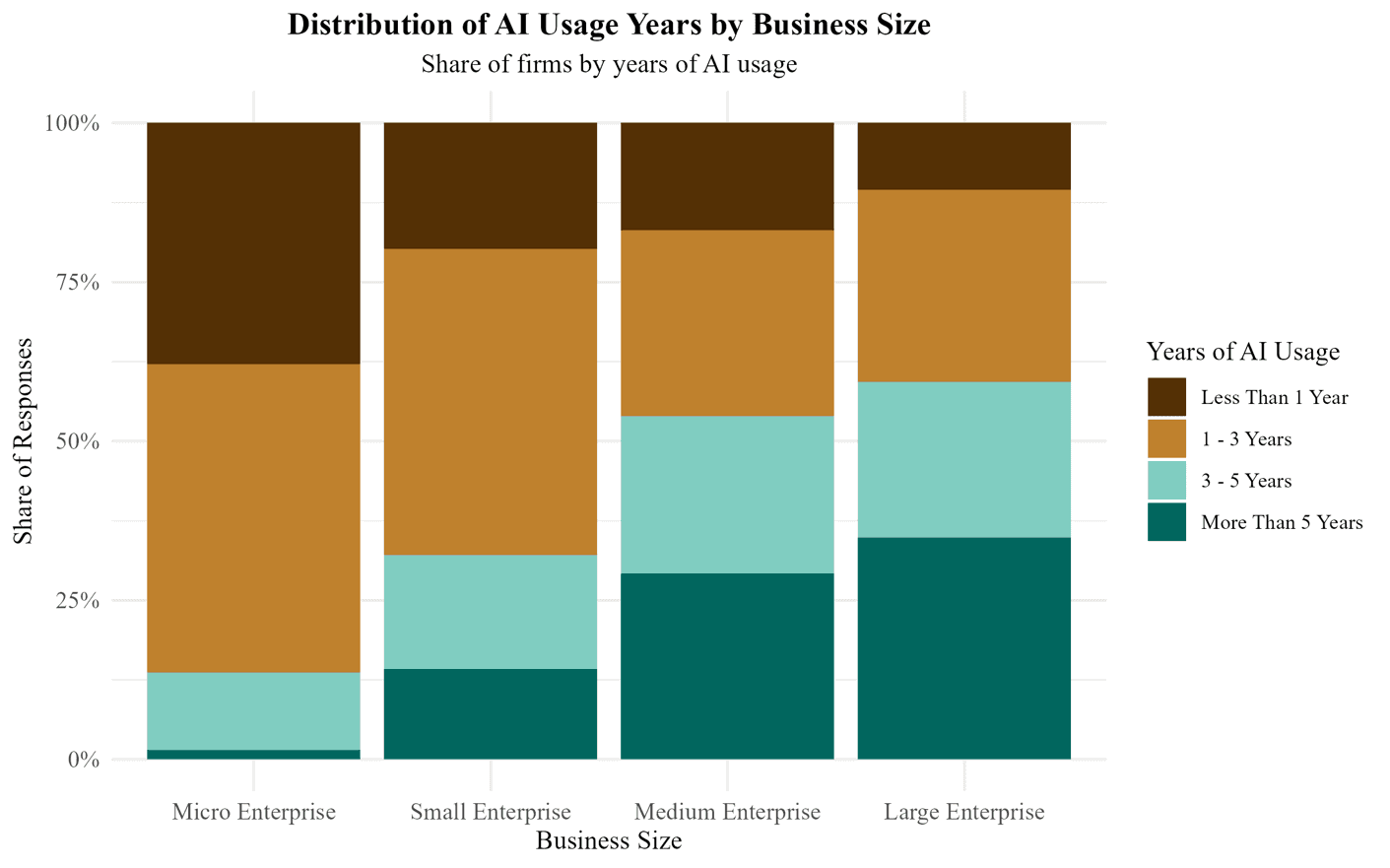
Key Question: What is the scope and scale of AI innovation and adoption by African businesses? Our research aims to provide comprehensive answers through rigorous empirical analysis.
Economic Impact on Firms
From firm-level profits and wage premiums to global talent migration, we analyze the tangible effects of AI on the private sector.
Firm Sales & Profitability
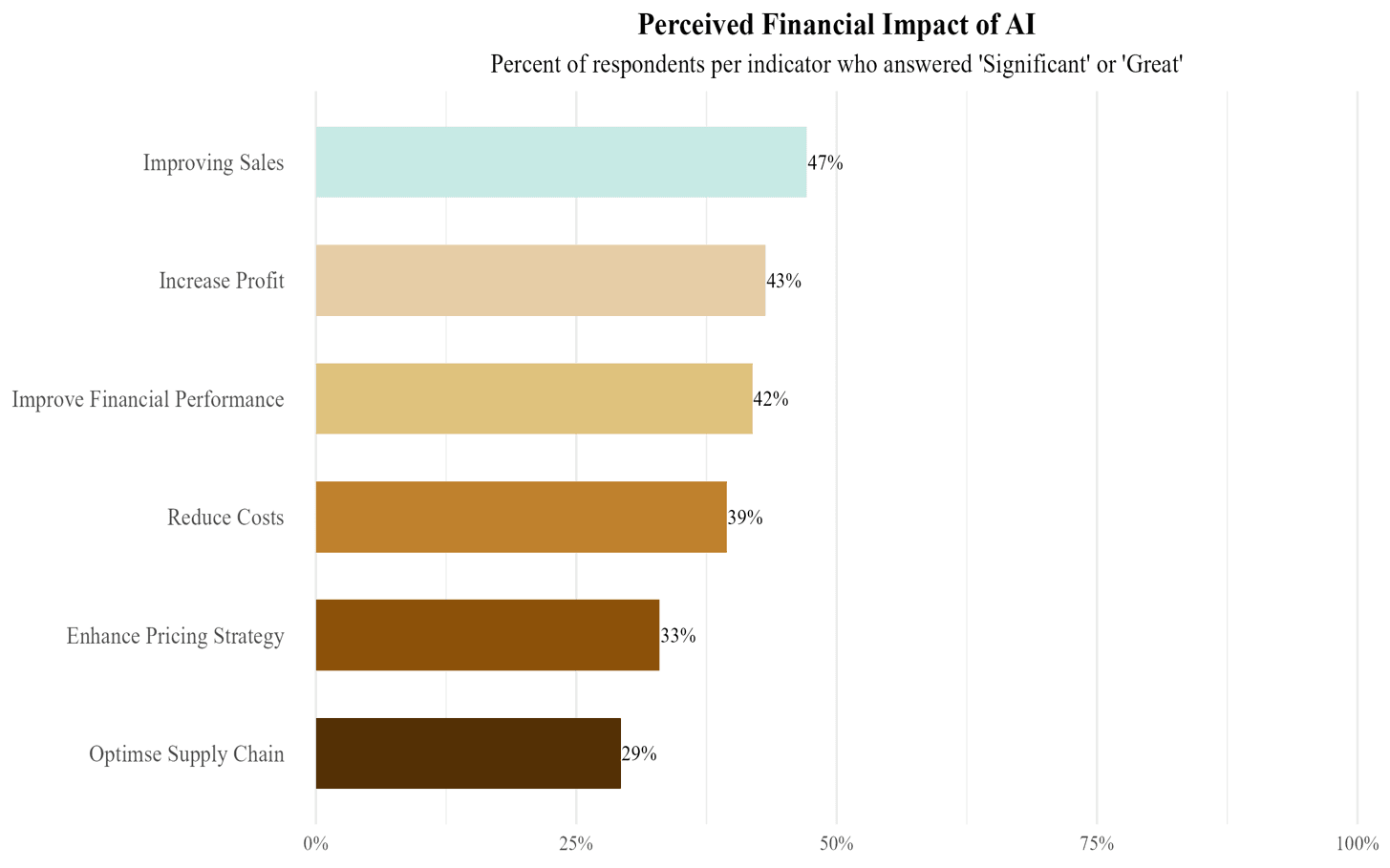
Nigerian businesses report stronger positive impacts from AI on sales and profits.
Global Talent Competition
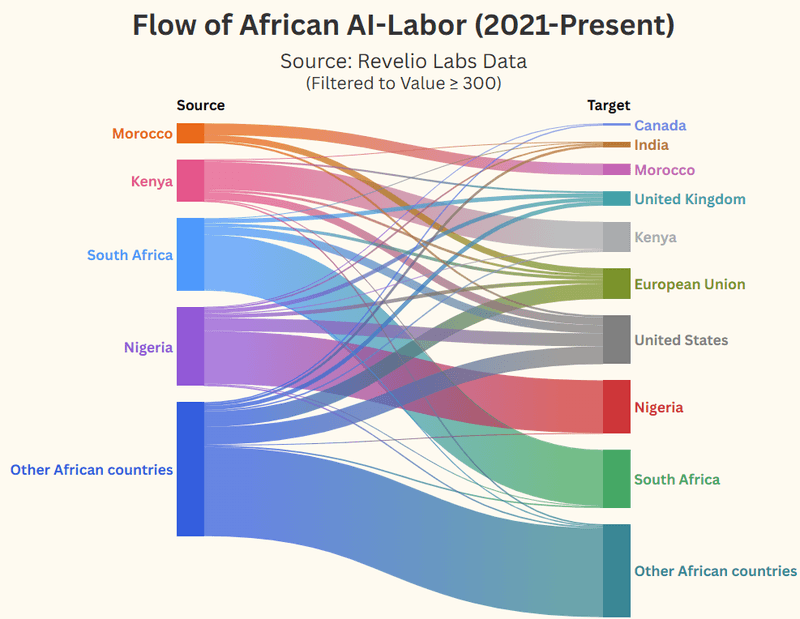
About 30% of Africa's AI-skilled workers are employed outside the continent.
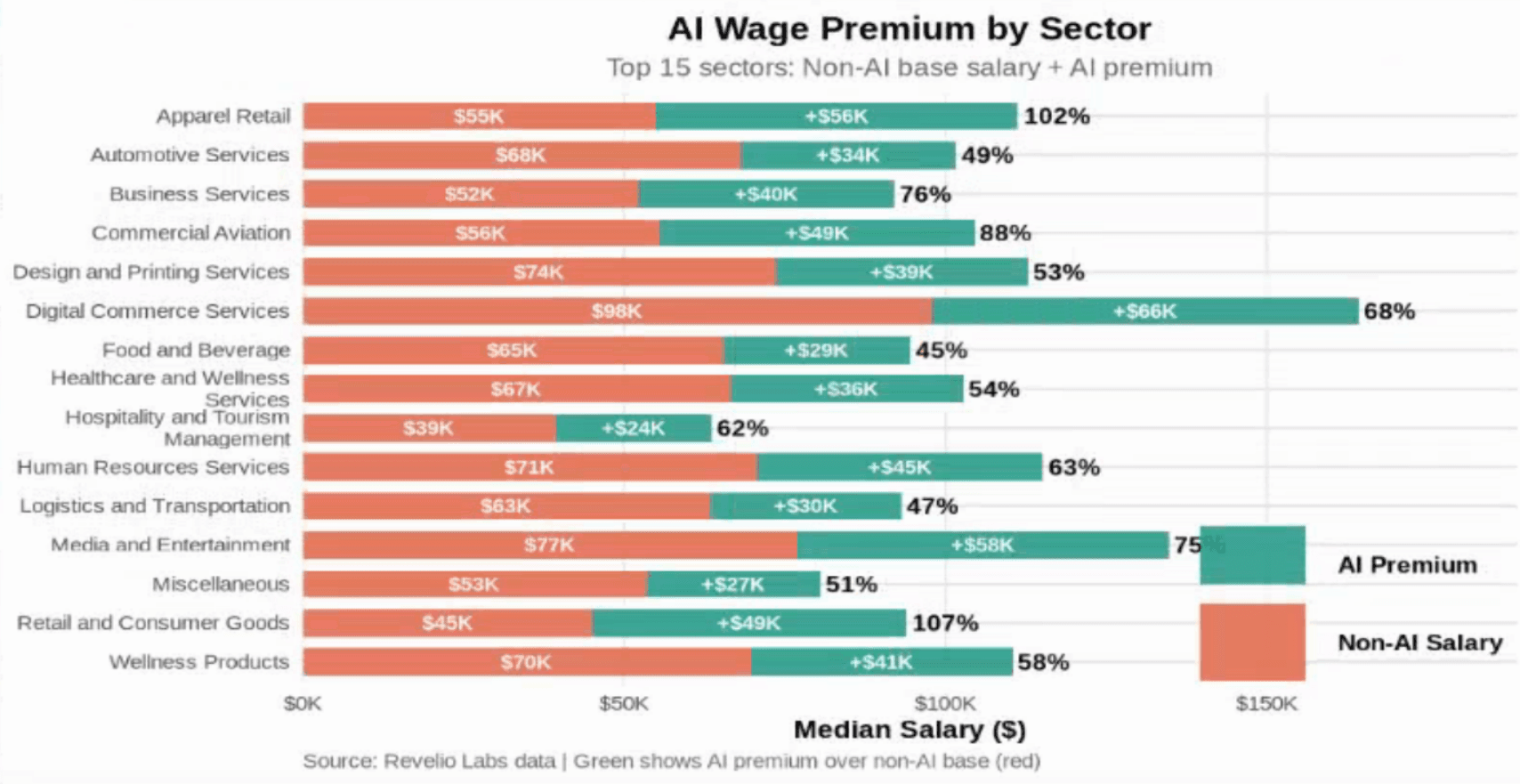
Sectoral Wage Premiums
Finance and tech sectors offer significantly higher AI wage premiums.
Barriers to AI Integration
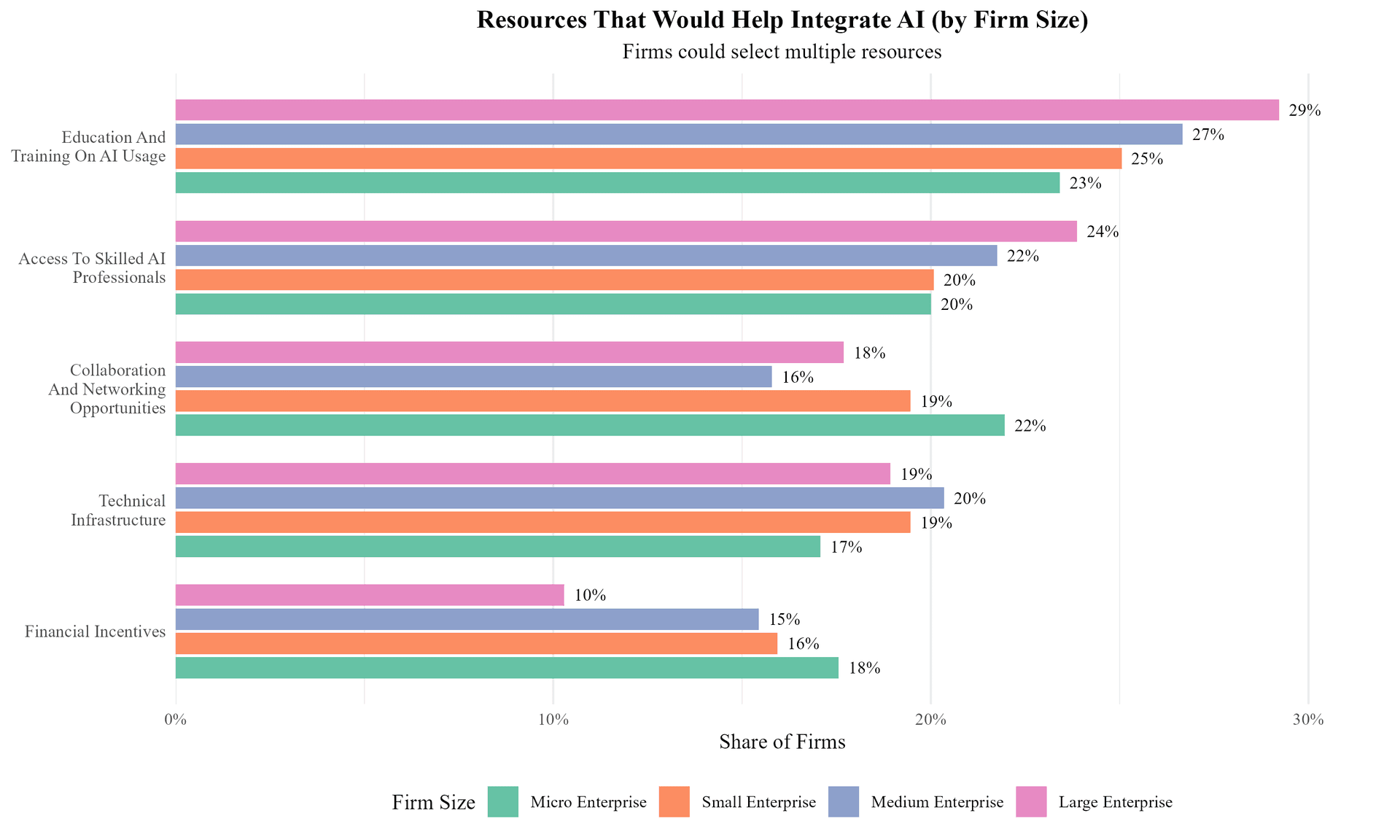
Access to skilled AI professionals and training employees remain the biggest constraints. Demand for AI talent is rising faster than supply, even in countries with active AI ecosystems.
AI Training Constraints
High ImpactTraining existing employees to use AI tools effectively remains a significant challenge, requiring investment in upskilling programs and change management.
Skills & Talent Gaps
High ImpactAccessing skilled AI professionals is a major barrier, with demand for AI expertise far outpacing the available talent pool in African markets.
Networking Barriers
Medium ImpactLimited opportunities for collaboration with AI experts, tech communities, and industry networks that could accelerate knowledge sharing and adoption.
Financial Constraints
Medium ImpactLimited access to capital and funding for AI investments, particularly for small and medium enterprises.
Policy Implications
Our research aims to provide actionable insights for policymakers, business leaders, and development organizations working to accelerate AI adoption and maximize its benefits for African economies.
Latest Enterprise AI Insights
Stay informed with our curated collection of reports, whitepapers, and articles on the state of enterprise AI in Africa.
Research Papers
Access our working papers, publications, and research briefs on AI innovation and adoption in Africa.
External Links
Get Involved
Contribute data, partner with us, or subscribe to our newsletter for the latest RADIA updates.
This project is supported by funding from the Motsepe Presidential Research Accelerator Fund for Africa (administered through the Center for African Studies, Harvard University), the Harvard Digital Data Design (D³) Institute, and Private Enterprise Development in Low-Income Countries (PEDL).